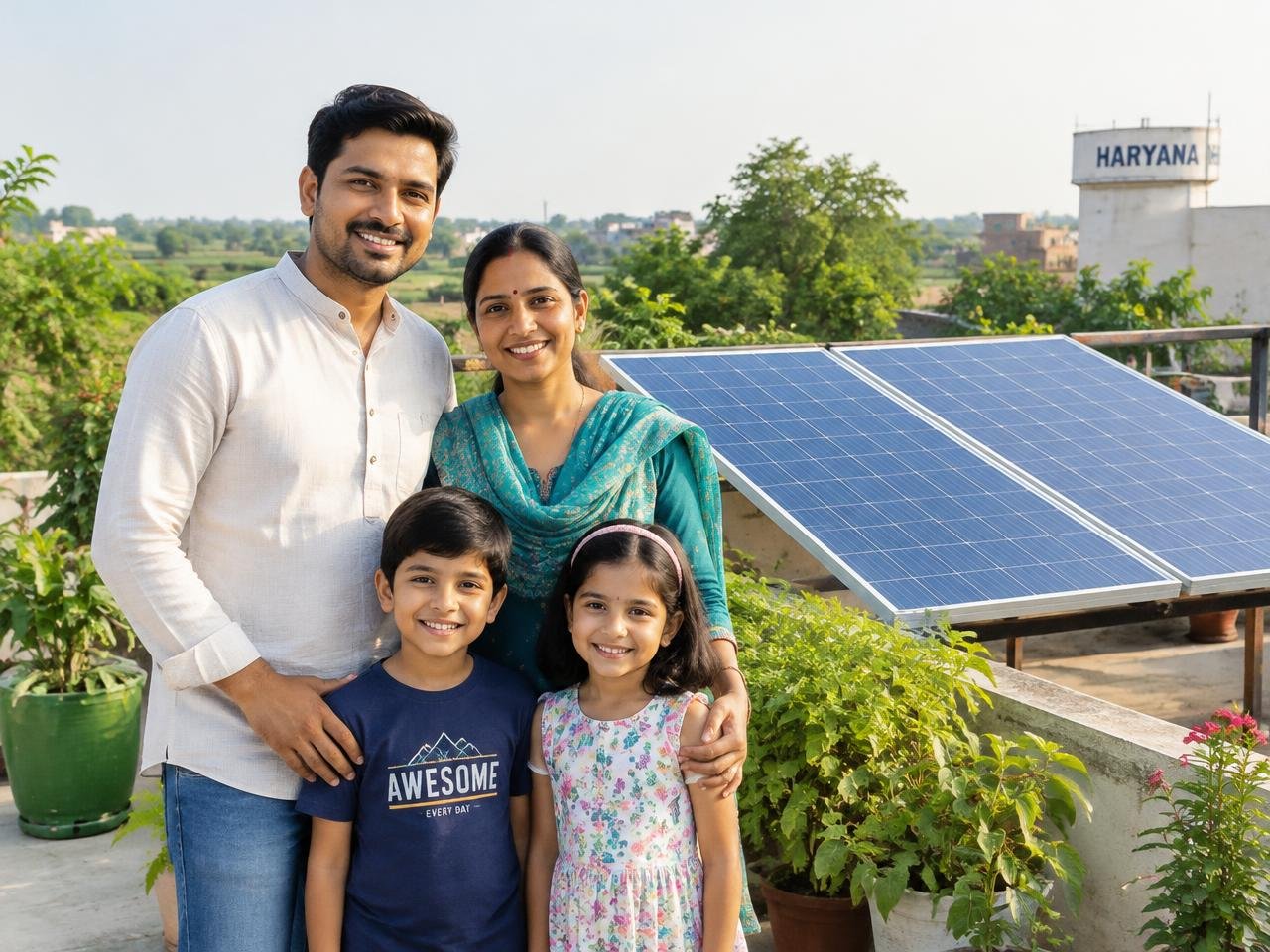
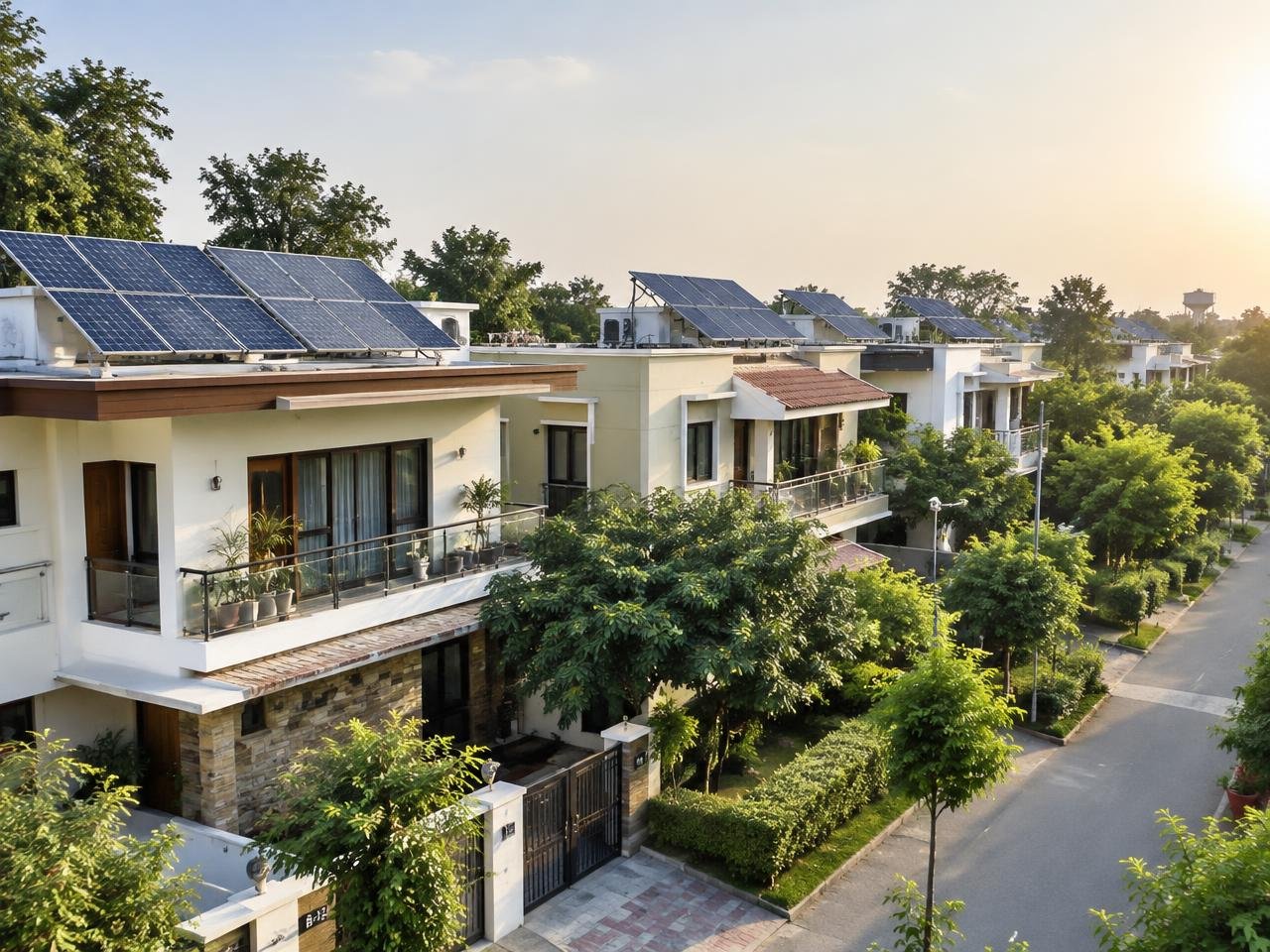
Solar panels on your terrace capture sunlight and turn it into electricity. An inverter converts that electricity so your lights, fans, fridge and appliances can use it. When your system is connected to the grid with net metering, extra electricity may be exported as per your DISCOM's rules.
Panels generate electricity during daylight hours
Your home uses solar power first
The grid supports you at night or on cloudy days
Net metering arrangements depend on your electricity provider
Benefits
Why Families Choose Rooftop Solar
Potential Savings
Offset part of the electricity you buy from the grid.
Cleaner Energy
Use renewable energy generated on your own roof.
Less Grid Reliance
Depend less on conventional electricity during the day.
Use Your Rooftop
Put unused terrace space to productive use.
Understanding Your Electricity Use
Your electricity bill shows the "units" (kWh) you use each month. Looking at a few months — especially summer, when ACs run — gives a realistic picture of your household needs.
Choosing the Right System Size
System size (in kW) is estimated from your monthly units and the roof area available. Bigger isn't always better — the right size balances your usage, budget and space.
Is Your Rooftop Suitable?
We consider shadow-free area, roof strength, direction, nearby trees or water tanks, and access. A site assessment helps confirm what's practical.
Your journey
From Consultation to Installation
1
Share Your Details
Tell us your location, roof type and recent electricity bills.
2
Consultation
We discuss your needs and answer your questions.
3
Site Assessment
Understand rooftop suitability and practical layout.
4
Proposal
Review a suggested system design and proposal.
5
Installation Support
Guidance through installation and related processes.
6
Ongoing Care
Optional cleaning and maintenance support.
Timelines depend on site conditions, approvals and net-metering processes.
PM Surya Ghar
Exploring Government Assistance?
Eligible households may be able to access support under PM Surya Ghar: Muft Bijli Yojana. We can help you understand the general process.
Eligibility, subsidy amounts and approval depend on applicable government guidelines and individual circumstances. Please verify current requirements before proceeding.
A plain-language guide to the types of rooftop solar systems and the terms you'll hear — so you can decide with confidence.
Recommended for most homes
On-Grid Solar
Grid-Tied System
How it works
Connected directly to your DHBVN / UHBVN electricity grid through a bi-directional net meter. No battery required.
Best for
Homes with stable grid power wanting maximum bill savings and the lowest upfront investment.
Advantages
Lowest cost per kW
Zero battery maintenance
Eligible for PM Surya Ghar subsidy (up to ₹78,000 for 3 kW and above)
Limitation
Automatically shuts off during power outages for lineman safety (anti-islanding protection).
Hybrid Solar
Grid + Battery Backup
How it works
Connected to the grid with a dedicated lithium/solar battery bank that stores surplus energy.
Best for
Homes with frequent power cuts needing continuous backup for lights, fans and appliances, plus net-metering benefits.
Advantages
Day and night energy independence
Backup during blackouts
Can still feed surplus power back to the grid
Limitation
Higher upfront cost due to the battery bank.
Off-Grid Solar
Fully Independent System
How it works
Independent from the DISCOM grid; stores all generated solar power in high-capacity batteries.
Best for
Farmhouses, tubewells and remote properties without reliable DISCOM connectivity.
Advantages
Complete grid independence
Works where grid supply is unavailable
Limitation
Higher capital cost, batteries need periodic monitoring, and off-grid systems are not eligible for the PM Surya Ghar grid-tied subsidy.
Subsidy eligibility and net-metering arrangements depend on current government and DISCOM guidelines. We'll confirm what applies to your site during the assessment.